

Breaking the Monotony : The Art of Blending Textures
In the realm of visual effects, the devil is truly in the details. It's the subtle nuances, the barely perceptible variations, that elevate a good composite to a great one.
In order to break the dreaded sameness that can plague our digital worlds, we have to delve into the art of blending textures.
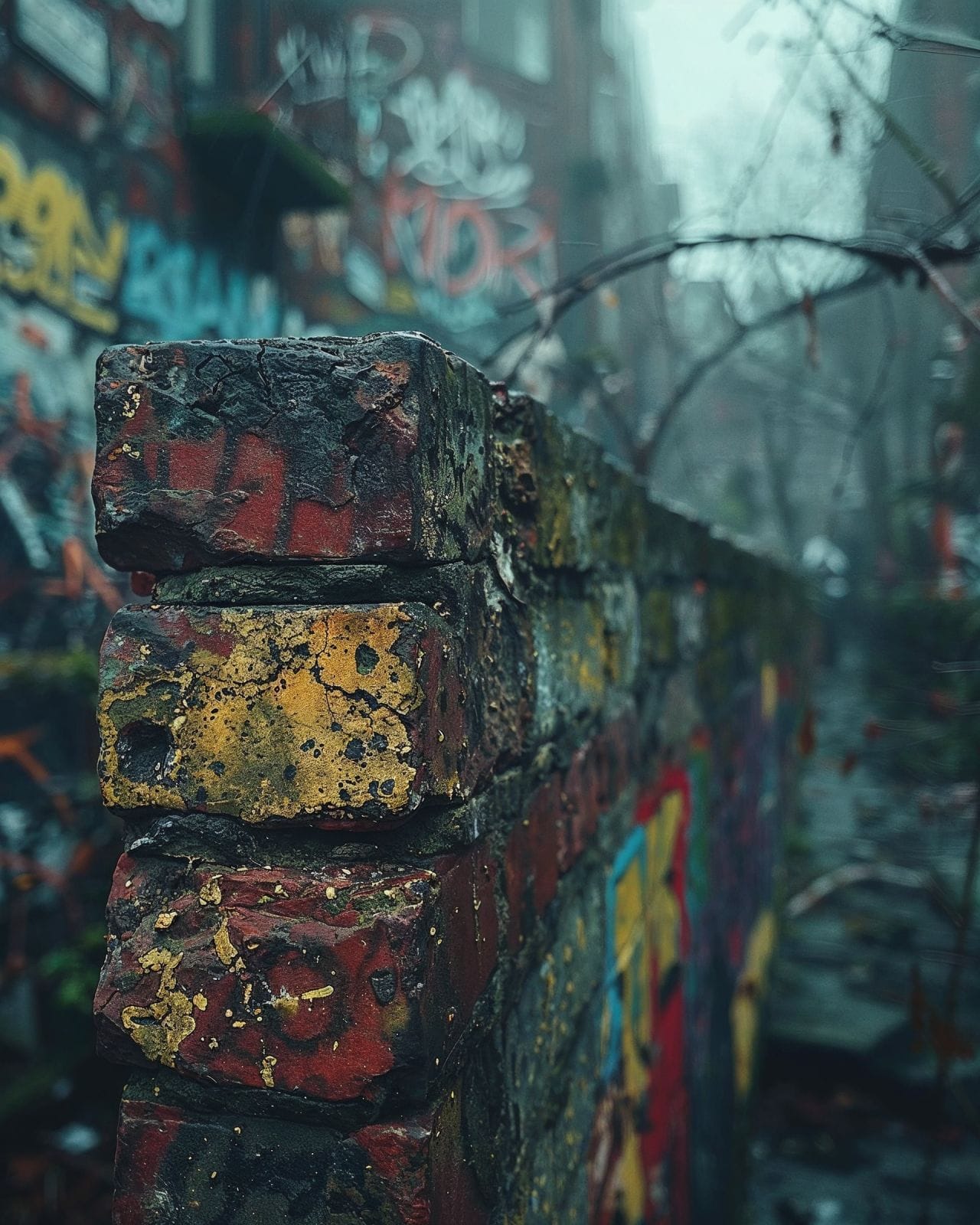
If you imagine a scene with a brick wall, at first glance, it might seem sufficient to apply a single, uniform brick texture. But look closer at a real wall - you'll notice a tapestry of tones, a mosaic of minutiae. Some bricks are slightly darker, others are chipped, and a few might even be discolored by the elements. It's this diversity that breathes life into the scene.
To replicate this in our digital work, we must become masters of blending. This means moving beyond simply overlaying (A over B) one texture onto another. It's about weaving them together, creating a seamless transition between different textures to mimic the unpredictable nature of real surfaces.
One effective technique is to use masks and blend modes to integrate varying textures. By adjusting the opacity and blending properties, we can create a dynamic interplay between textures, ensuring that no two areas look exactly the same. This not only adds visual interest but also enhances the realism of the composite.
Additionally, procedural textures can be a powerful tool in our arsenal. They allow us to generate random patterns and variations, ensuring that our textures are never monotonous. By tweaking parameters and combining procedural elements with traditional textures, we can create surfaces that are rich in detail and variation.
But the artistry lies in knowing when and how to blend. It's about striking the right balance between uniformity and variation, ensuring that our textures are neither too repetitive nor too chaotic. This requires a keen eye for detail and an understanding of the story we're trying to tell through our visuals.
Breaking the sameness of textures is about embracing the imperfections and irregularities that make the real world so captivating.
By skillfully blending textures, we can infuse our digital creations with a sense of depth and authenticity that resonates with audiences. So, as artists we have to learn to create as diverse and dynamic as the one outside our screens.


Discussion