

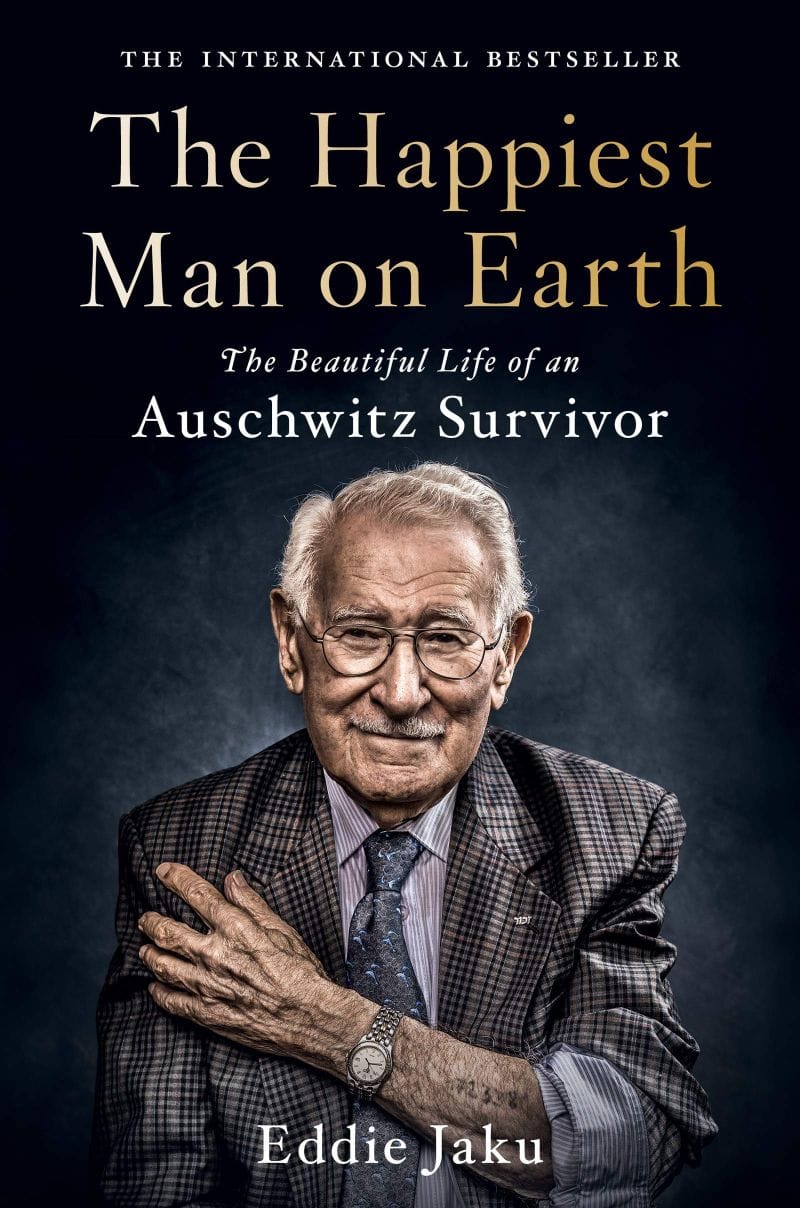
Happiness is often treated as a byproduct, something we chase, something dictated by circumstance, something fragile enough to be stolen by tragedy. But 𝗧𝗵𝗲 𝗛𝗮𝗽𝗽𝗶𝗲𝘀𝘁 𝗠𝗮𝗻 𝗼𝗻 𝗘𝗮𝗿𝘁𝗵 by Eddie Jaku presents a different perspective. It argues that happiness is not something we wait for. It is something we choose.
This is not a book that seeks to shock with historical horrors, nor does it dwell in suffering for the sake of it. Jaku, a Holocaust survivor who endured Auschwitz, Buchenwald, and the death marches, tells his story with an unsettling clarity. He does not embellish. He does not soften. He lays out what happened in stark, unflinching detail. But the most remarkable part of this book is not the horror, it is the profound joy with which Jaku lived his life after it.
He calls himself "the happiest man on Earth." Not because he avoided suffering, but because he refused to let it define him.
I have long considered Viktor Frankl’s Man’s Search for Meaning one of the most important books I have ever read. In my early twenties, when I leaned toward nihilism and absurdism, it was a beacon of light, proof that meaning is something we create, not something the world owes us. The Happiest Man on Earth reinforces that belief. It is not about grand theories. It is about a single, conscious choice: 𝘁𝗼 𝗯𝗲 𝗵𝗮𝗽𝗽𝘆, 𝗱𝗲𝘀𝗽𝗶𝘁𝗲 𝗲𝘃𝗲𝗿𝘆𝘁𝗵𝗶𝗻𝗴.
Jaku does not pretend this choice is easy. He does not deny grief, anger, or injustice. He simply refuses to surrender to them. He chooses to wake up every day and build something better than what he endured. He chooses to extend kindness to others, not as an obligation, but as an act of defiance.
It is easy to be cynical. It is easy to dismiss happiness as naïve. But Jaku’s story is not naïve. It is a life that has seen the absolute worst of humanity and still found something worth holding onto. And that is what makes this book so surprising.
I expected history. I expected survival. I did not expect the sheer force of will it takes to live joyfully after witnessing the depths of cruelty.
Jaku was not a philosopher. He was not a scholar. He was simply a man who decided that, after everything, he would not let hate win.
And maybe that is the most intellectual act of all.


Discussion