

Most contemporary stories are structured to resolve responsibility quickly. A failure is identified, a cause isolated, a lesson extracted. Even when the damage is severe, the narrative reassures us that accountability is knowable, containable, and assignable.
Outside of fiction, responsibility rarely behaves that way.
In practice, it disperses. It moves laterally through roles, memos, procedures, and well-intentioned decisions. Harm emerges gradually, often after the moment when intervention would have been simplest. By the time outcomes become visible, authorship has thinned into process.
The work I returned to this year understands this not as theme, but as operating principle.
It unfolds along two parallel tracks. One concerns aftermath: reconstruction, interpretation, professional distance. The other follows action as it occurs, incrementally and without emphasis. The separation between the two is not moral but temporal. Cause and consequence coexist, close enough to recognize, far enough apart to feel abstract.
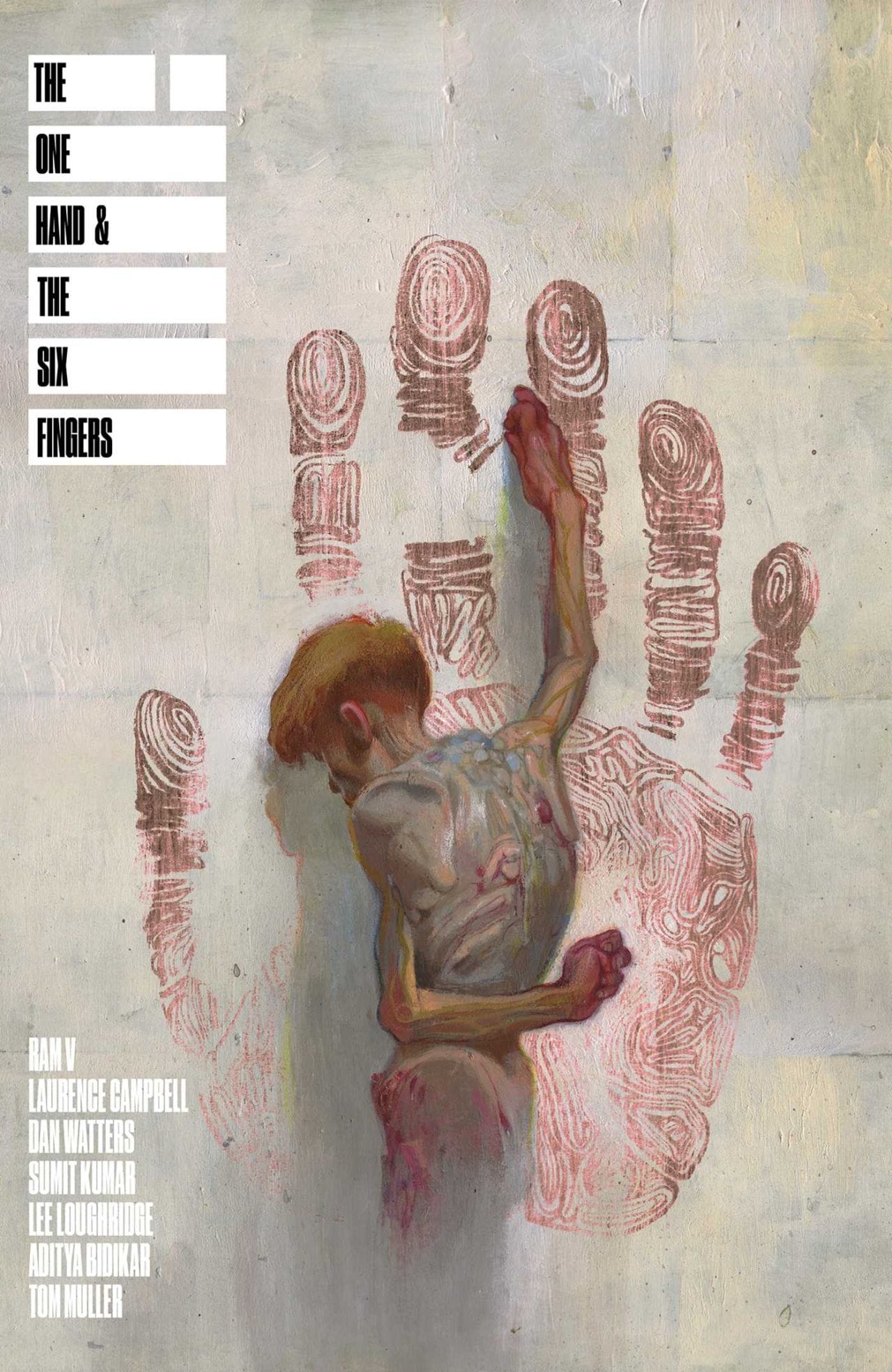
The split authorship and contrasting visual languages reinforce this separation: one perspective rendered with procedural fatigue, the other with unsettling clarity, as though distance itself were being encoded into form.
Nothing in this world is disordered. People perform their functions competently. Decisions are documented. Each step follows logically from the last. The system works.
That is precisely the problem.
What emerges is a familiar logic, actions taken in good faith, rules bent for necessity, outcomes later explained as unforeseeable once they have already hardened into fact.
Reading it, I was reminded of the language that appears after institutional failure: no single point of responsibility, processes were followed, outcomes were unintended. These phrases surface precisely when no one is prepared to say, plainly, this was my decision. The machinery absorbs the act. The individual exits cleanly.
The book never invokes this explicitly. It doesn’t need to. Patterns repeat. Recognition replaces surprise.
Read continuously, without the pause of serialization, the compression of cause and consequence becomes unavoidable, and the reader loses the comfort of believing there was time to intervene.
There is no corrective speech. No moral arbitration. The narrative refuses the fantasy that understanding equals absolution. It maintains the same observational distance from which many real-world decisions are made.
What distinguishes it is not novelty or provocation, but accuracy. It captures the quiet logic by which responsibility is deferred until it becomes theoretical. How alignment with belief, role, or procedure can feel indistinguishable from innocence.
This is not a story about crime.
It is a study of how outcomes are produced in plain sight and how rarely they are owned.
That is why it endures.


Discussion